
How to Target Your Audience
While keywords have traditionally been the cornerstone of search advertising, audience targeting techniques have become increasingly essential for reaching the right customers at the right time. By leveraging these advanced strategies, businesses can enhance their ad campaigns, improve ROI and drive meaningful engagement. Here’s how.
1. Demographic Targeting
Demographic targeting allows you to reach people based on age, gender, parental status and household income. This is particularly useful for businesses with products or services tailored to specific demographic groups. By refining your audience based on these characteristics, you can ensure your ads are shown to the most relevant potential customers.
Example: A luxury car dealership might focus on higher household income brackets to attract potential buyers who are more likely to afford premium vehicles.
2. Affinity Audiences
Affinity audiences are groups of people with a strong interest in specific topics. Google creates these audiences based on users’ browsing habits, search history and other online behaviours. This targeting method is ideal for brand awareness campaigns where you want to reach people who have demonstrated a keen interest in relevant areas.
Example: A sports apparel company can target sports enthusiasts by selecting affinity audiences such as "Sports Fans" or "Health & Fitness Buffs".
3. In-Market Audiences
In-market audiences consist of users actively researching or comparing products and services similar to what you offer. These individuals have high intent and are more likely to convert. This targeting method helps capture the attention of potential customers who are in the decision-making phase of their buying journey.
Example: An insurance company can target users who have recently searched for home insurance, car insurance or other related products.
4. Custom Intent Audiences
Custom intent audiences allow you to create tailored audiences based on specific keywords and URLs. This gives you more control over who sees your ads, ensuring they align closely with users’ current interests and activities.
Example: A travel agency can create a custom intent audience targeting people who have recently searched for “best vacation spots,” “affordable travel packages” or visited popular travel blogs.
5. Remarketing
Remarketing targets users who have previously interacted with your website or app. This technique is incredibly effective for re-engaging potential customers who showed interest but didn’t complete a conversion. By reminding them of your offerings, you can encourage them to return and make a purchase.
Example: An online retailer can show ads to visitors who added items to their cart but didn’t complete the checkout process, offering a discount to entice them back.
6. Similar Audiences
Similar audiences, also known as lookalike audiences, are generated based on your remarketing lists. Google identifies new users with similar characteristics and behaviours to those in your existing remarketing lists. This helps expand your reach to potential customers who are likely to be interested in your products or services. These audiences are available for Demand Gen campaigns only.
Example: A software company can target new potential users who share traits with their current paying customers, increasing the chances of acquiring similar high-value clients.
7. Life Events
Life events targeting focuses on users undergoing significant life changes, such as moving, getting married or graduating. These milestones often come with new purchasing needs, making it an opportune time to present relevant ads.
Example: A real estate agency can target individuals who are about to move, offering services to help them find their new home or sell their current property.
8. Customer Match
Customer match allows you to upload your own customer data, such as email addresses, to help you reach these customers, re-engage with them, and find new customers like them across Search, Shopping, Gmail, YouTube and Display.
This technique is particularly useful for reaching existing customers with personalised messages, upselling or cross-selling.
It enables you to deepen relationships with existing customers or forge connections with new ones across all of Google's platforms, all while maintaining privacy standards.
Example: An e-commerce store can upload a list of email subscribers to show them ads for new arrivals or exclusive promotions.
Audience Bid Adjustments
Once your audiences are set up, you can adjust your bids based on the performance of different audience segments. By increasing or decreasing bids for specific audiences, you can allocate more budget to higher performing groups.
Combining Keywords And Audiences
Audience targeting doesn’t replace keyword targeting but rather complements it. By combining both strategies, you can ensure your ads are shown to users who are not only searching for relevant terms but also fit your desired audience profile. This dual approach can significantly enhance the relevance and effectiveness of your ads.
Setting Up Audiences
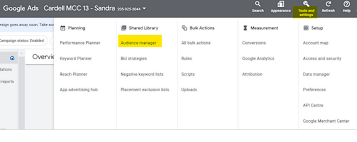
You can access and create new audiences using Google Audience Planner tool.
Go to “tools and settings” and click on “Audience Manager” under the Shared Library tab.
If you have no current audience platforms set up, click on “set up an audience source”. This will allow you to link Google Analytics, Google Play, YouTube and Zapier. Alternatively, click on the + symbol and add the appropriate audience.
If you are setting up in market audiences, click on the “custom segments" tab followed by the + symbol.
Conclusion
By integrating these advanced audience targeting techniques into your Google Ads strategy, you can move beyond keywords to connect with potential customers more effectively. These methods allow you to tailor your campaigns to specific audiences, ensuring your ads resonate with the right people at the right time.
As you experiment with different targeting options, continually analyse your campaign performance and refine your approach to maximise results. Embrace the power of audience targeting, and watch your business grow through more strategic and impactful advertising efforts.

As a member of Chris Cardell’s VIP Inner Circle, you get access to the world’s most effective strategies to grow your business and increase your profits. Your VIP Inner Circle membership includes your monthly 24 page Business Breakthroughs newsletter mailed directly to you, exclusive Online Videos and Seminars, reports on Advanced Marketing, Sales and Internet Marketing strategies, a monthly Q and A call with Chris Cardell and exclusive access to the VIP Private Members Group on Facebook.
Chris Cardell is renowned for being able to show success driven business owners how to increase their profits by 50-250%. He has been featured on BBC, ITV, News at Ten and The Sunday Times. Chris Cardell is your direct access to everything you need to safeguard your business and increase your Entrepreneurial Wealth.
AS FEATURED ON